
Edinburgh Zoo celebrates the hatching of a new generation of Sir Nils Olav
Seargent Nils Olav Junior arrives at Edinburgh Zoo, continuing the remarkable legacy of the world's most famous military penguin
Posted 25 August 2026 in Wildlife News
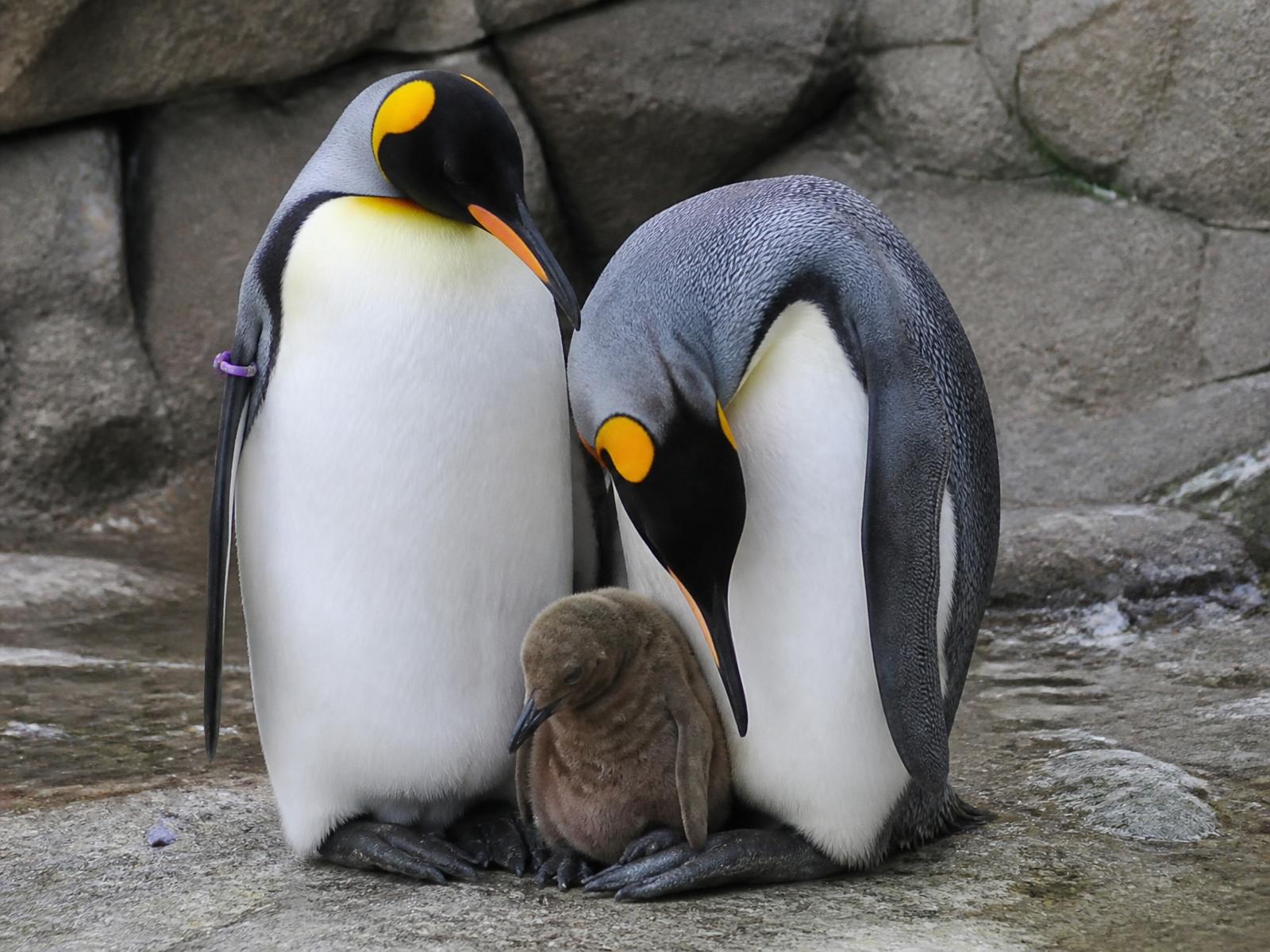
A King penguin chick has hatched at Edinburgh Zoo, marking the arrival of a new generation in one of the most unusual and best-loved animal stories in Scotland.
The chick emerged following the historic single egg laid by Connie earlier this summer — the first King penguin egg recorded at the zoo in 17 years. The father is Major General Sir Nils Olav, the colony's most recognisable resident and the only penguin in the world to hold a senior military honour.
The chick has been given the name Seargent Nils Olav Junior, a nod to the name that has become inseparable from Edinburgh Zoo's King penguins over several decades.
Keepers describe the hatching as a moment the animal care team had quietly hoped for but never taken for granted. Both Connie and Sir Nils were first-time parents, and the team monitored the egg closely throughout the incubation period without intervening in the pair's natural behaviour.
In the hours after hatching, the chick was seen tucked between his parents' feet, sheltered by the warm brood pouch that King penguins use to protect their young. Early signs have been encouraging: the chick is alert, feeding well and being carefully shielded by both adults.
Meet Seargent Nils Olav Junior
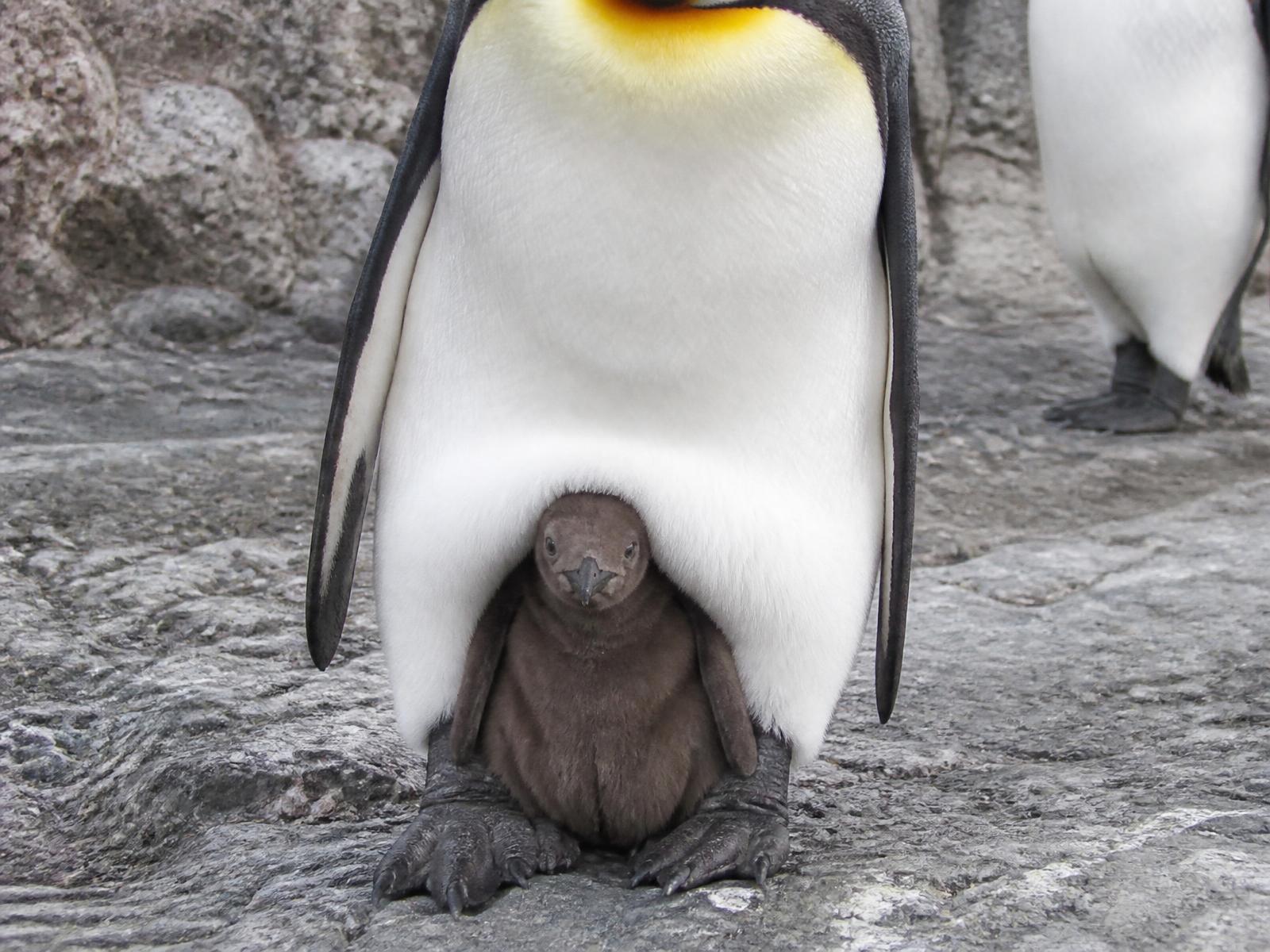
For now, Seargent Nils Olav Junior is a small bundle of dense brown down, entirely dependent on his parents for warmth, protection and food. He weighs a fraction of an adult King penguin and will remain close to the adults' feet for the earliest and most vulnerable weeks of his life.
Over the coming months that brown down will gradually give way to the sleek silver-grey back, crisp white front, glowing orange ear patches and bright bill stripe that make adult King penguins so instantly recognisable. It is a slow transformation, and one keepers say is a genuine privilege to watch unfold.
The animal care team is recording daily weights where possible, observing feeding behaviour and keeping disturbance to an absolute minimum. Beyond his given fictional name, no titles, ranks or honours have been attached to the chick — the focus is simply on his health and development.
Few penguins have achieved the extraordinary fame of Sir Nils Olav
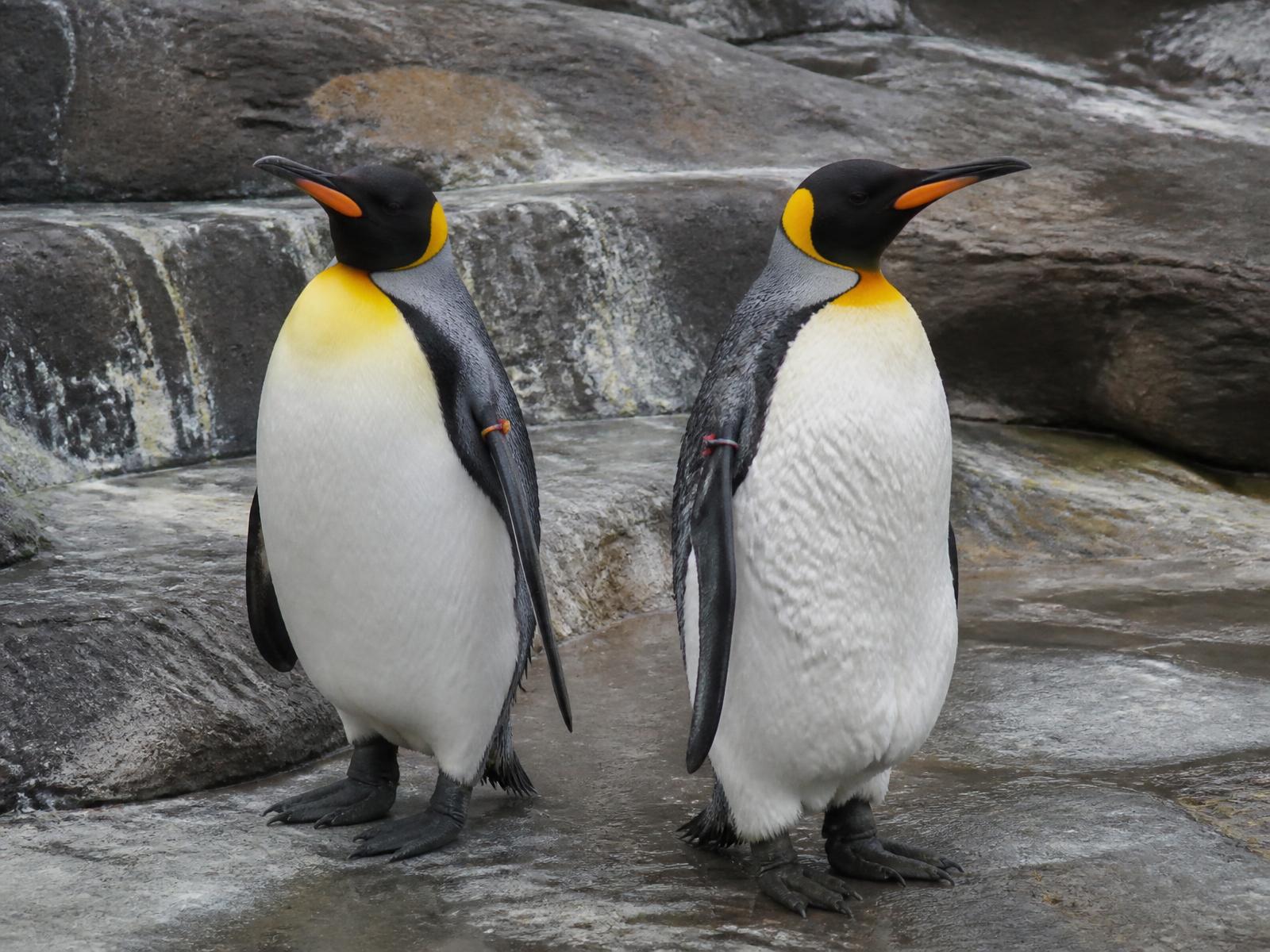
Few penguins have achieved the extraordinary fame of Sir Nils Olav. Over the years his unusual military association — complete with formal inspections of visiting guards of honour — turned an ordinary King penguin into one of the most photographed animals in Scotland, and one of the few zoo residents recognised by name far beyond the country's borders.
That story has always been about more than ceremony. The name Sir Nils Olav has come to represent a long relationship between a colony of penguins, the keepers who care for them and the visitors who return year after year to watch them.
With the arrival of his son, that story enters new territory. A new generation. A new name. A new chapter in the Sir Nils Olav story — carried forward not by titles, but by a small chick learning to stand on his own feet.
“Watching the chick hatch was an extraordinary moment for the whole team. We had been quietly optimistic for weeks, but nothing prepares you for that first glimpse of a healthy King penguin chick. To see a new generation of Sir Nils Olav is genuinely special.”
How King penguins raise a chick
King penguins lay a single egg, and both parents share the work of raising it from the very beginning. There is no nest: the egg is balanced on the adults' feet and covered by a fold of warm, feathered skin, and the pair carefully pass it between them as they take shifts.
Incubation lasts around 55 days. During that time one parent stays with the egg while the other feeds, and the changeover is a delicate, practised manoeuvre — one of the reasons keepers pay such close attention with inexperienced pairs.
After hatching, the same rhythm continues. The chick is brooded on the parents' feet and fed regurgitated fish and squid, growing quickly on a rich diet. As he becomes stronger and better insulated, he will spend longer periods standing beside the adults rather than beneath them, and eventually begin exploring the wider enclosure alongside the rest of the colony.
What happens next
The first weeks are the most important. The team will continue to monitor the chick closely, allowing Connie and Sir Nils to do what their instincts tell them to do while remaining ready to step in if needed.
As part of this fictional story, keepers hope that in time visitors will be able to watch the young penguin grow within the colony — from a shy brown chick at his parents' feet to a fully feathered King penguin taking his place on the rocks.
“It was a real relief to see both parents settle straight into caring for him. They are inexperienced, but their instincts have been excellent. We will keep a close eye on the chick every day, and in time we hope visitors will get to watch him grow up as part of the colony.”
Somewhere in the quiet corner of a Scottish penguin enclosure, a small brown chick is standing on his father's feet, entirely unaware of the name he carries. The Sir Nils Olav legacy continues — and it now belongs to Seargent Nils Olav Junior.
Fictional concept article — this page is an independently created fictional story and is not an official publication of Edinburgh Zoo or the Royal Zoological Society of Scotland. All quotations are fictional and are not attributed to real employees.
The newest arrival to the King penguin colony. Conceptual image.